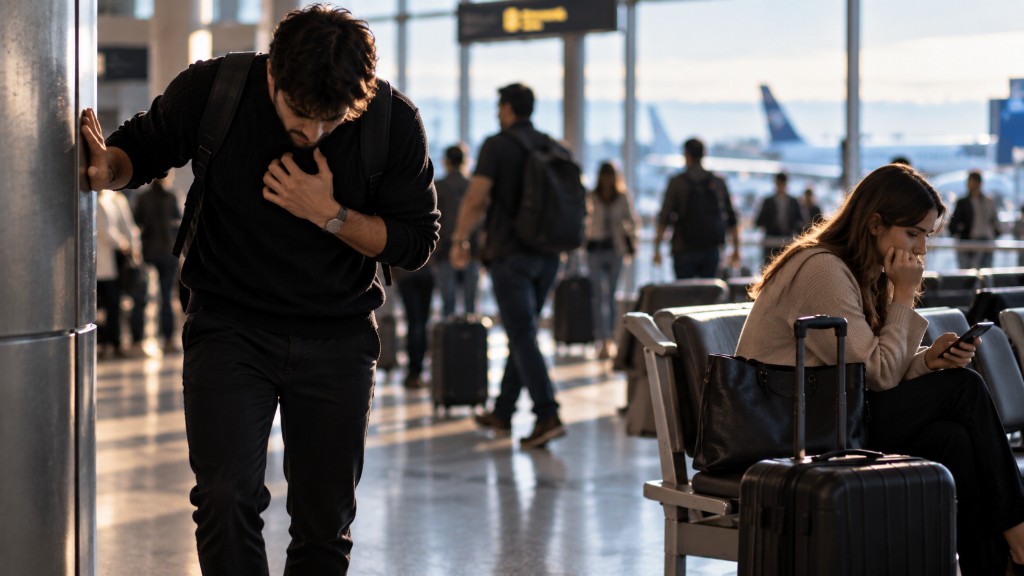
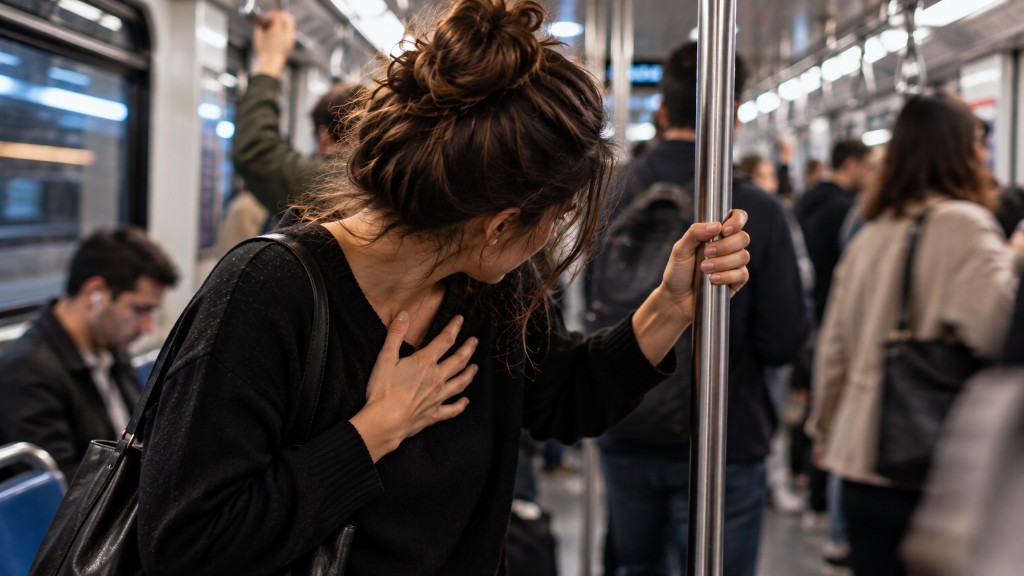
Panik Bozukluğu, tekrarlayan ve beklenmedik panik atakların yaşanması ve yeni bir atak ortaya çıkacağına ilişkin yoğun kaygının gelişmesiyle karakterize bir anksiyete bozukluğudur. Panik atak sırasında yaşanan belirtiler kısa sürede yoğunlaşabilir ve güçlü bir tehlike hissi oluşturabilir.
Çarpıntı, nefes darlığı, göğüste sıkışma, terleme, titreme, baş dönmesi, uyuşma, gerçekdışılık hissi, kontrolü kaybetme veya ölüm korkusu gibi belirtiler görülebilir. Atakların tekrarlanacağı düşüncesi zamanla bedensel duyumları sürekli takip etmeye, belirli durumlardan kaçınmaya ve günlük yaşamın kısıtlanmasına yol açabilir.
Psikoterapide panik ataklarla ilişkili düşünceler, bedensel duyumların yorumlanma biçimi ve kaçınma davranışları değerlendirilir. Panik döngüsünün anlaşılması, bedensel belirtilere yönelik korkunun azaltılması ve panikle ilişkili düşünce ve davranış örüntülerinin daha işlevsel hale getirilmesi üzerinde çalışılır.